Quick answer: To choose a business name that is actually available, prioritize finding a name where the .com domain and major social handles (Instagram, TikTok) are free simultaneously.
- Start with 5-10 ideas: Naming is a process of elimination.
- Check availability instantly: Use Namecheckly to vet domains and socials in under 2 seconds.
- Run the radio test: Can 9 out of 10 people spell it after hearing it once?
- Avoid trendy suffixes: Suffixes like "-ify" or dropping vowels age poorly.
If the exact .com is taken, 65% of startups succeed by adding a modifier like "get" or "hq" rather than using a confusing misspelling.
How to Choose a Business Name That You Can Own
A great business name is available, easy to spell, memorable, and scalable — choose based on your brand identity first, then verify the domain and social handles are actually free before you fall in love. This six-step framework ensures your name passes the radio test, stands out in search, and is claimable on day one.
Let’s be clear: a modern naming framework must be availability-first. A "perfect" name is useless if you can’t secure the digital real estate. This guide provides the only framework founders need to choose a brandable, memorable, and—most importantly—available business name.
Related:
• How to Check If Your Business Name Is Taken
• Business Name Generator With Availability Check • Domain Before or After Social Handles?
• Best AI Business Name Generators (2026)
still available?
What is the right framework to choose a business name?
Choosing a business name isn’t just a creative exercise; it’s a strategic one. To do it right, your name must satisfy five critical pillars:
1. Availability
The name must have an available domain and consistent social media handles.
See: How to Check Domain Name Availability
See also: How to Check Social Media Handle Availability
2. Brand Clarity
It should hint at what you do or the value you provide.
3. Memorability
If it fails the radio test, it’s out.
4. Scalability
Your name shouldn't limit future products or pivots.
5. SEO Uniqueness
You should be able to own your search results.
Start selling today
Start with a free trial, then $1/month for your first 3 months. No developer required.
Step 1: How do I define my brand before naming?
A name is a container for your brand. Without clarity, you're just picking random words.
Ask yourself:
- Mission: Why does this business exist?
- Audience: Who is this for?
- Tone: Playful or authoritative?
- Values: What do we stand for?
Everything you brainstorm later should pass the filter:
Does this name feel like our brand?
Step 2: Which naming style fits my brand best?
Descriptive Names
Examples: The Home Depot, General Motors
Pros: Clear, SEO-friendly
Cons: Generic, hard to trademark
Suggestive/Evocative Names
Examples: Pinterest, Uber
Pros: Memorable
Cons: Requires storytelling
Compound Words
Examples: Facebook, Dropbox
Pros: Unique and brandable
Cons: Finding domains is harder
Metaphorical Names
Examples: Amazon, Nike
Pros: Emotional and powerful
Cons: Requires marketing to build the association
Abstract/Invented Names
Examples: Kodak, Rolex
Pros: Easy availability
Cons: No built-in meaning
Founder-Based Names
Examples: Ford, Goldman Sachs
Pros: Personal legacy
Cons: Harder to scale or sell
Step 3: What naming principles should I use?
Phonetics & Sound Symbolism
Sharp = modern.
Soft = premium.
The Radio Test
If someone hears it once, can they Google it correctly?
Familiar Yet Unique
Avoid overly weird spellings or obscure references.
Avoid Trends
“-ify,” “-ly,” “pix,” and vowel-dropping age fast.
Avoid Forced Misspellings
If you’re misspelling a word just to get a domain… the name is the problem.
Step 4: How do I check availability before getting attached?
Use Namecheckly to instantly check:
- Domain availability
- Social media handle availability
- TLD alternatives
- Variations
- Conflicts
See also: • How to Check If Your Business Name Is Taken • What To Do If Your Business Name Is Taken
Availability checklist:
✔ Domain availability
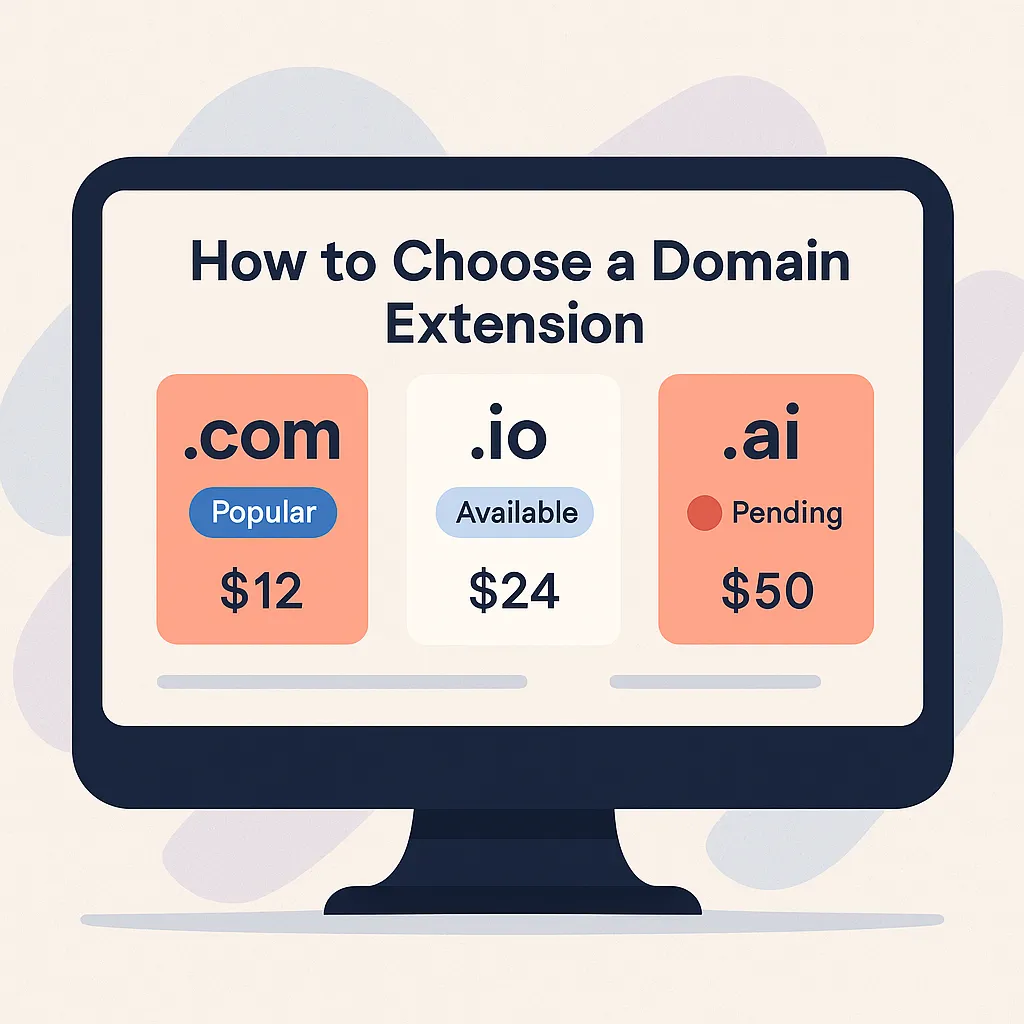
Prefer .com, but .io, .ai, and .app are solid.
✔ Social handle consistency
Across TikTok, Instagram, X, and Facebook.
✔ Business registry availability
✔ Trademark conflicts
Step 5: How do I run usability tests on a name?
Spell Test
Say the name to someone and ask them to spell it.
Pronunciation Test
Show the name and ask them to say it.
Google Search Test
Does a huge corporation dominate page one?
Social Search Test
Are there conflicting accounts already?
International Meaning Test
Avoid accidental offensive meanings.
Step 6: How do I secure my name?
Once you find a name that works:
✔ Buy the domain
✔ Register social handles
✔ Secure variations
✔ Trademark when ready
Names disappear quickly. Don’t wait.
What are the most common naming mistakes?
- Falling in love too early
- Using trendy suffixes (“-ify,” “-ly”)
- Choosing overly generic names
- Forced weird spellings
- Assuming “I'll buy the .com later”
- Ignoring social availability
If your perfect name is taken, read:
What To Do If Your Business Name Is Taken
What tools make naming easier?
- Namecheckly — Best for domain + social availability
- Best AI Business Name Generators (2026) — Compare Namelix, ChatGPT, Shopify, and 8+ AI tools
- Tech Startup Name Ideas — AI generator + 50 curated startup names
- Clothing Brand Name Ideas — AI generator + 50 curated clothing brand names
- Business Name Generator With Availability Check — AI names + instant checking
Choose a Name You Can Own
Choosing a business name is one of your first permanent decisions. By prioritizing availability and following a structured process, you’ll find a name that is:
- brandable
- memorable
- scalable
- and actually yours
Ready to validate your ideas? Use Namecheckly to check your business name, domain, and social handles in one instant search.
Related:
Pro Tip: Secure your brand handles early. Even if you aren't ready to build your website or post content yet, registering your brand name across key platforms prevents squatters from hijacking your identity later.